DinkyKt's Blog
Supporting Someone with Classical Ehlers-Danlos Syndrome
A guide for partners, friends and family on how to understand, listen and support someone living with cEDS
Supporting Someone Living with Classical Ehlers-Danlos Syndrome (cEDS)
If someone you love has Classical Ehlers-Danlos Syndrome (cEDS), you may sometimes feel unsure how best to support them. EDS is a complex connective tissue disorder that affects the body’s collagen, meaning the structures that normally give strength and stability — such as skin, joints, and tissues - are more fragile.
For many people living with cEDS, everyday life involves managing chronic pain, fatigue, fragile skin, joint instability, and unpredictable symptoms. These challenges aren’t always visible, which can make them difficult for others to understand.
But one of the most important things you can do as a partner, friend, or family member is simple:
Listen and Believe Them
A person living with EDS knows their own body better than anyone else.
They live with it every single day. They learn over time what triggers pain, what causes injuries, when their body needs rest, and when something simply doesn’t feel right.
Sometimes they may need to cancel plans, slow down, or say they can’t do something that others find easy. This isn’t laziness or lack of effort - it’s often their body telling them they have reached their limit.
Listening and believing them when they explain how they feel is one of the most meaningful ways you can support them.
Understand That Symptoms Can Change Daily
One of the frustrating parts of EDS is how unpredictable it can be.
Someone may appear relatively well one day and be in significant pain the next. Fatigue, joint instability, and other symptoms can fluctuate from day to day.
This can make it difficult to plan activities, and sometimes plans may need to change at short notice.
Patience and flexibility can make a huge difference.
Respect Their Limits
People with EDS often become experts at understanding their own physical limits.
Pushing beyond those limits can lead to injuries, joint dislocations, severe pain, or days of exhaustion afterwards.
Encouraging someone to “push through it” may come from a place of kindness, but it can sometimes cause more harm than good.
Instead, support them in pacing themselves and respecting what their body is telling them.
.
Offer Support Without Taking Away Independence
Most people with EDS want to live as independently and normally as possible.
Offering help when it’s needed - whether that’s carrying something heavy, helping after an injury, or simply being understanding on difficult days - can mean a lot.
But it’s also important to allow them the independence to make their own decisions about what they can and cannot do.
.
Recognise the Emotional Side of Chronic Illness
Living with a lifelong condition like EDS isn’t just physically challenging. It can also affect emotional wellbeing.
Pain, fatigue, repeated medical appointments, and not always being believed by others can be incredibly frustrating and isolating.
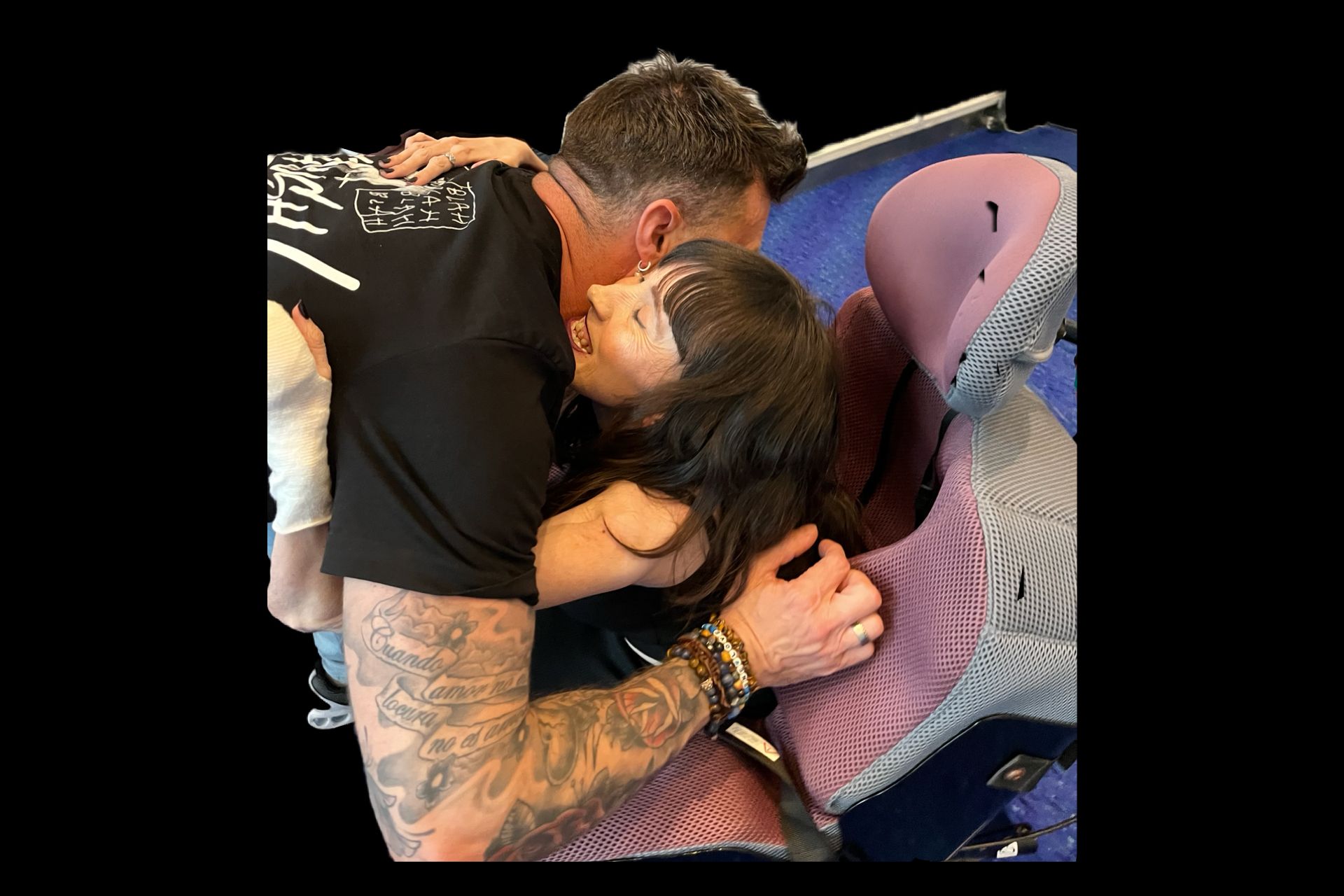
Having someone who listens, understands, and stands beside them without judgment can make a world of difference.
.
Small Things Matter
Support doesn’t always have to be big gestures.
Sometimes it’s the small things that mean the most:
• Being patient when plans change
• Checking in on how they’re feeling
• Helping them avoid unnecessary strain or injury
• Learning about EDS so you understand their condition better
• Simply listening when they need to talk
A Final Thought
If someone in your life has Ehlers-Danlos Syndrome, remember this:
They are not being difficult.
They are not exaggerating.
They are navigating a body that works differently.
Trust their knowledge of their own body. Listen to them. Support them.
That understanding can make living with EDS just a little bit easier.
💜 If you’re reading this as someone who supports a person with EDS, thank you. Your understanding means more than you may realise.